Learn about the fascinating history of Compstall, George Andrew and what was once a private village.
A company town in the Etherow Valley
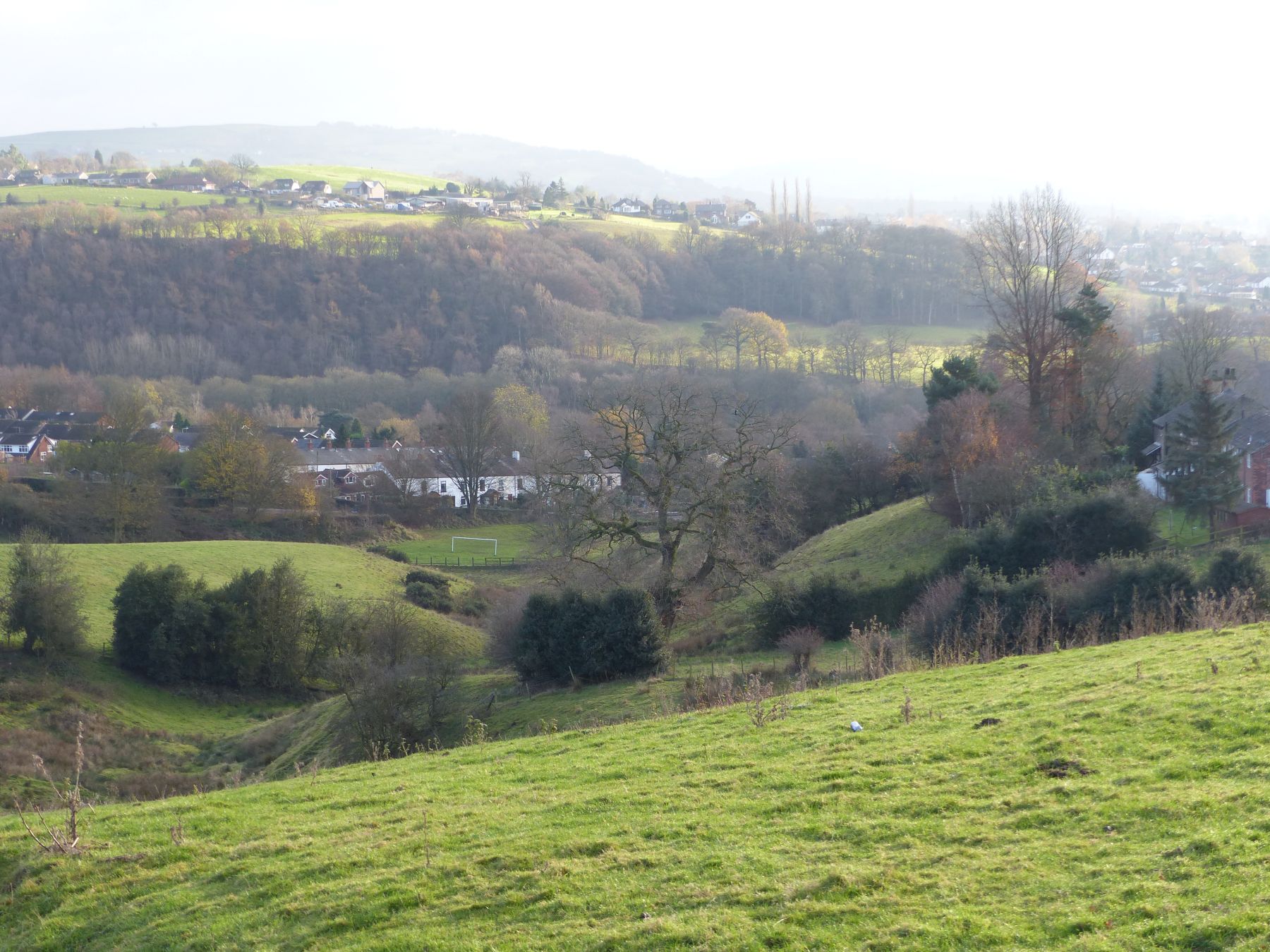
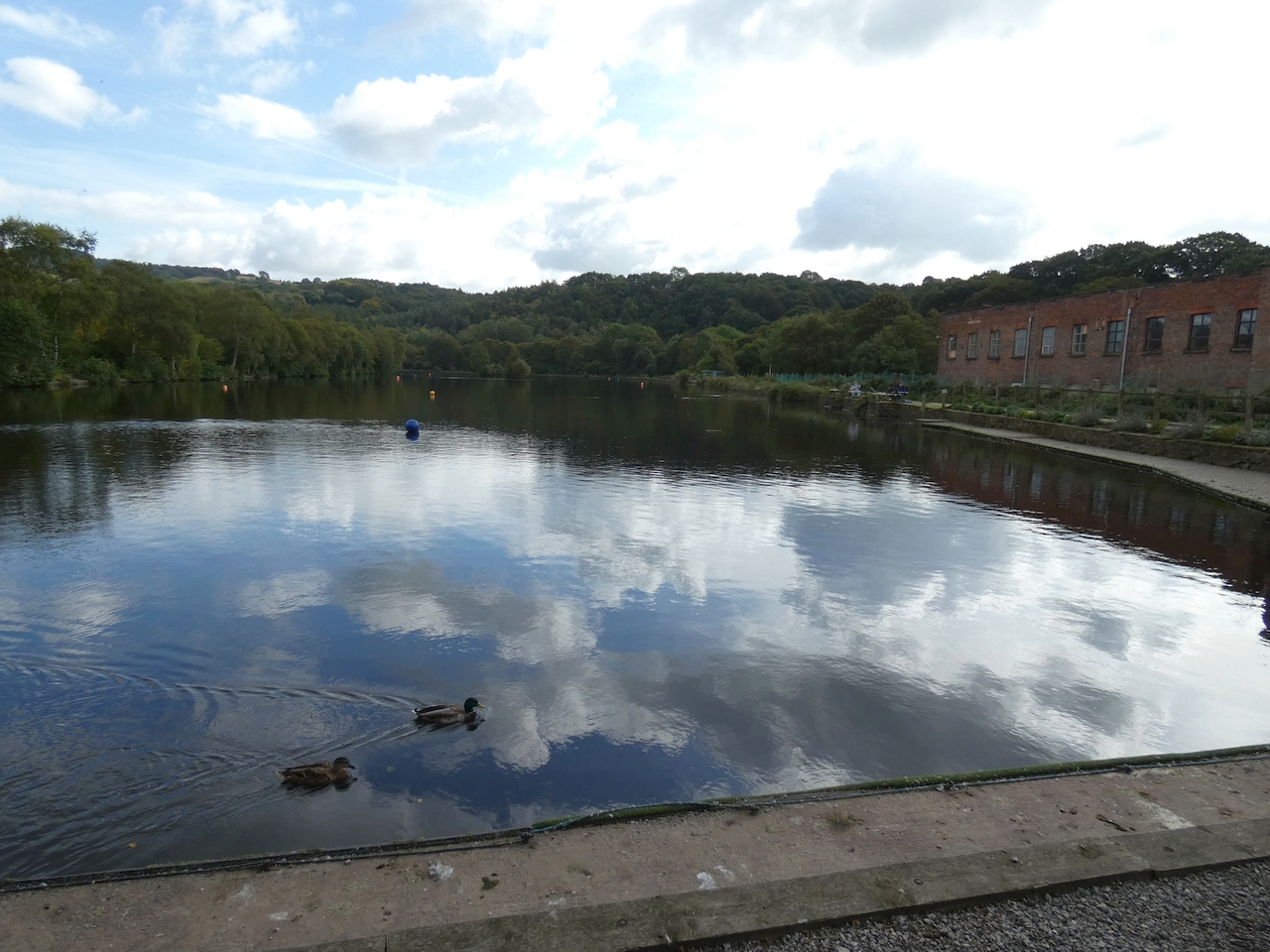
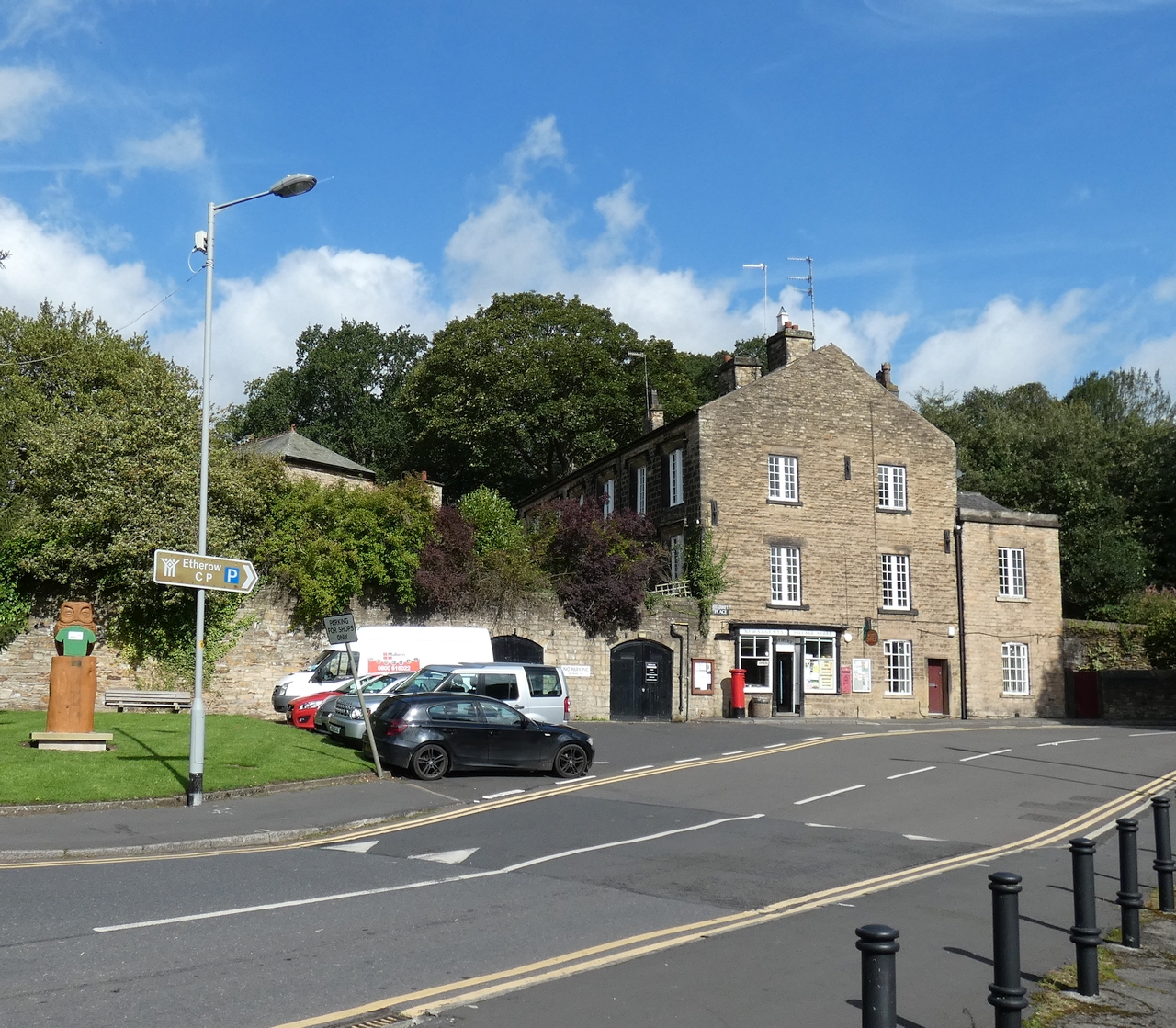
Compstall began as a place where farmers traded sheep. In the early nineteenth century the Andrew family turned it into a purpose-built mill village — mills, cottages, church, hall and Athenaeum — powered by the River Etherow. Much of that original fabric still stands today within a conservation area, with the former millponds now at the heart of Etherow Country Park.
1820sVillage built for mill workers
800+Workers housed by George Andrew
1839Big Lily — once England’s largest water wheel
1968Etherow Country Park established
Timeline
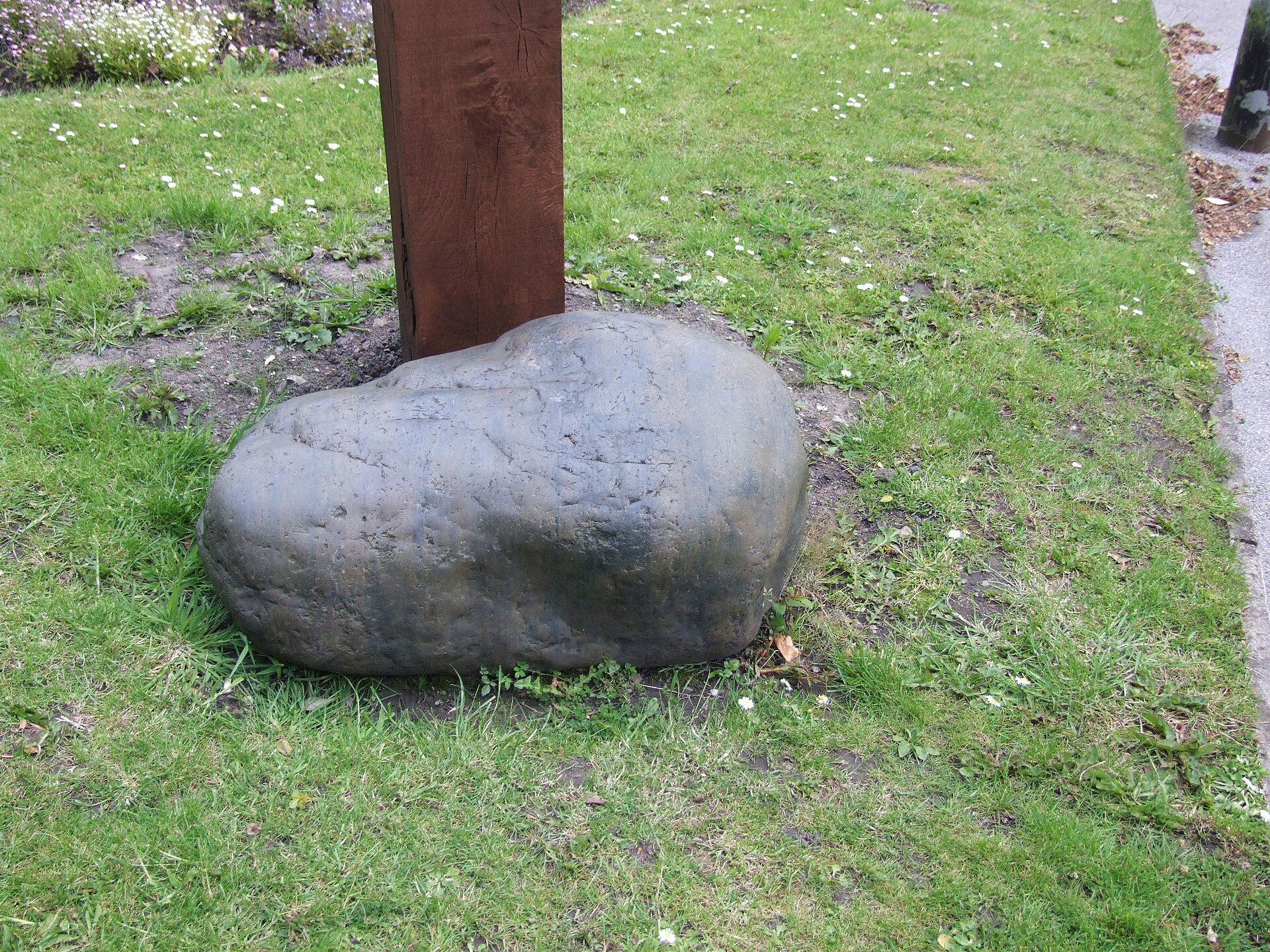
Sheep folds & the Touch Stone
Farmers met to trade sheep held at Barlow Fold, Greave Fold, Ratcliffe Fold, Beacom Fold and Lower Fold. Deals were sealed at the Touch Stone in the market place — a glacial erratic. Once agreed, parties spat on their hands and struck the stone.
Whitebottom Farm
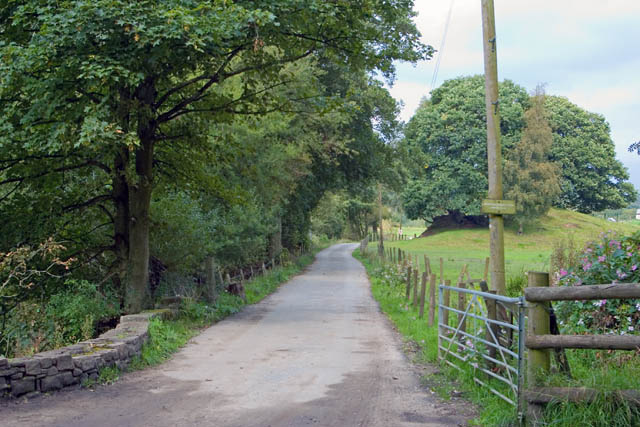
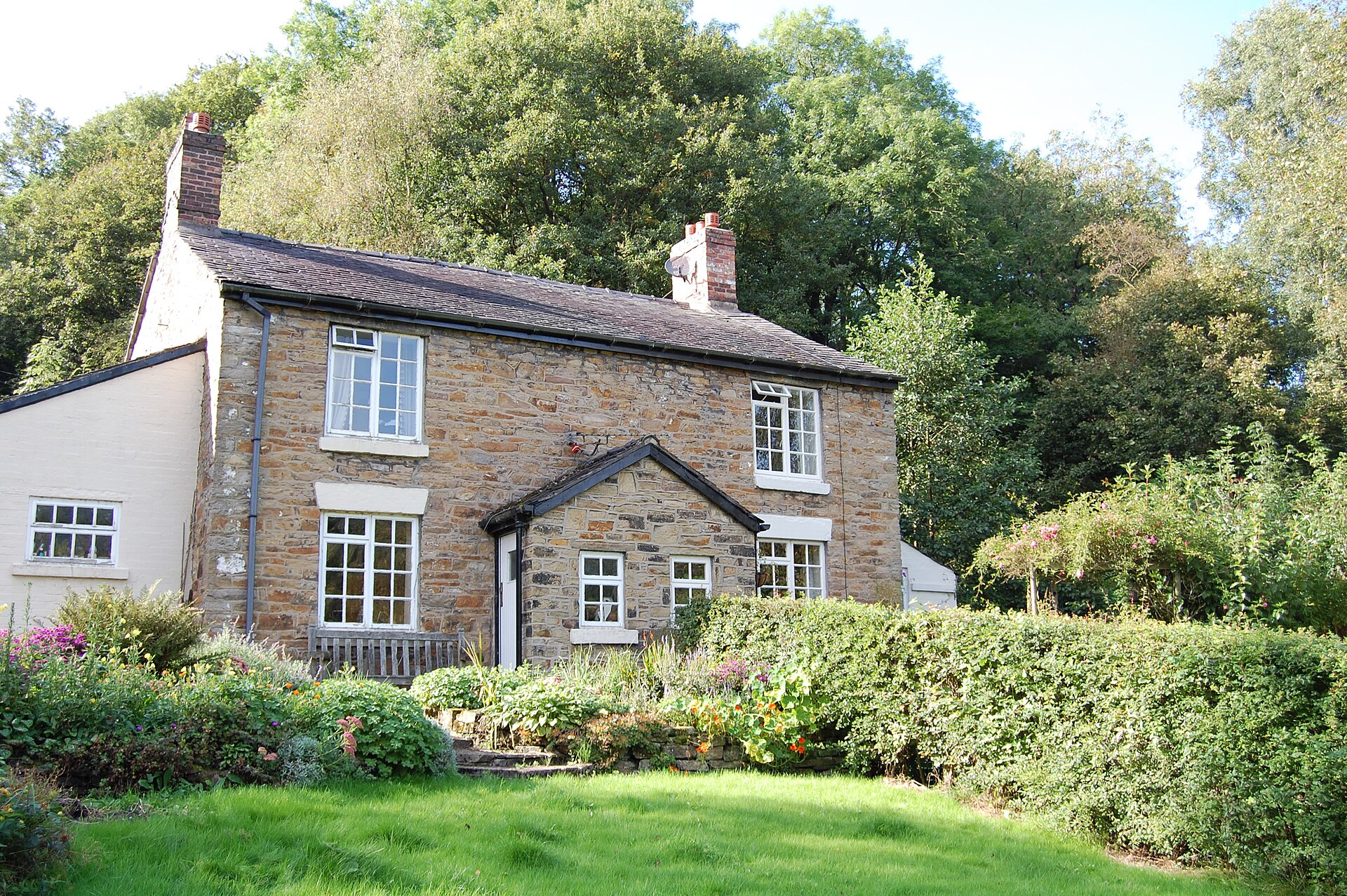
The Grade II listed farmhouse at Whitebottom Farm is dated 1690 on the lintel above the main entrance — a rare survival of earlier rural Compstall, now reached through Etherow Country Park.
Calico printing begins
The Andrew family established a water-driven calico printing works downstream of the present mill site. The earliest workers’ cottages appeared on the south side of the bridge in 1806.
George Andrew shapes the village
After Thomas Andrew’s death in 1821, his son George Andrew I reorganised the business, building a water-powered cotton mill and reservoir, with a steam engine for backup. Market Street cottages followed in 1823, and Compstall Hall was built in 1825 in Grecian villa style.
The mill complex rises
Old Mill, Scotland Mill, Victoria Mill, Provans Mill and Noah’s Ark weaving sheds were added. In 1838–39 the giant Lily (Big Lily) water wheel was installed — about 50 ft in diameter and 17 ft wide, then the largest in England — built by Fairbairn and Lillie.
A thriving company town
Samuel Lewis recorded around 1,600 inhabitants, with some 1,200 in spinning, weaving, bleaching and printing, and others at local coal workings. Streets named after the Andrew family underlined that Compstall was a company town.
Community institutions
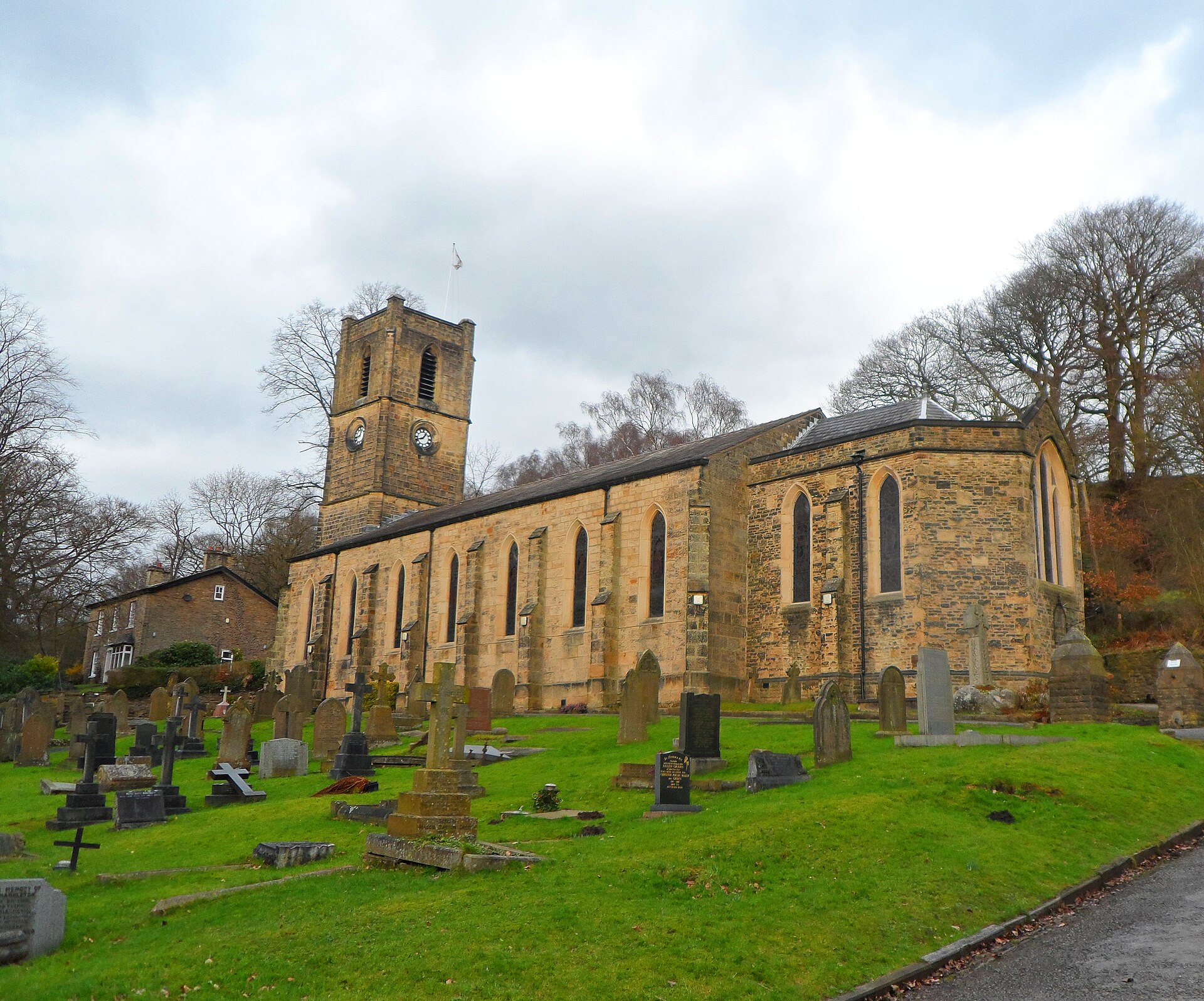
A Co-op store opened in 1851. Wesleyan Methodists had the first chapel; St Paul’s Church of England followed in Early English style. In 1865 the Andrews built the Athenaeum as a multipurpose community hall.
Light and power
Steam and gas lighting were installed in the mill by 1890 and replaced by electricity in 1915 as industry modernised.
Compstall on the map
In 1897 the civil parish of Werneth was renamed Compstall. From 1902 it was a small urban district (population 865 in 1931), abolished in 1936 when most of the area joined Bredbury and Romiley.
Park & conservation
Etherow Country Park opened in 1968 across some 240 acres of former industrial landscape — one of Britain’s earliest country parks. Compstall Conservation Area was designated in 1974, the same year local government placed the village in Stockport Metropolitan Borough, Greater Manchester.
Landmarks & places
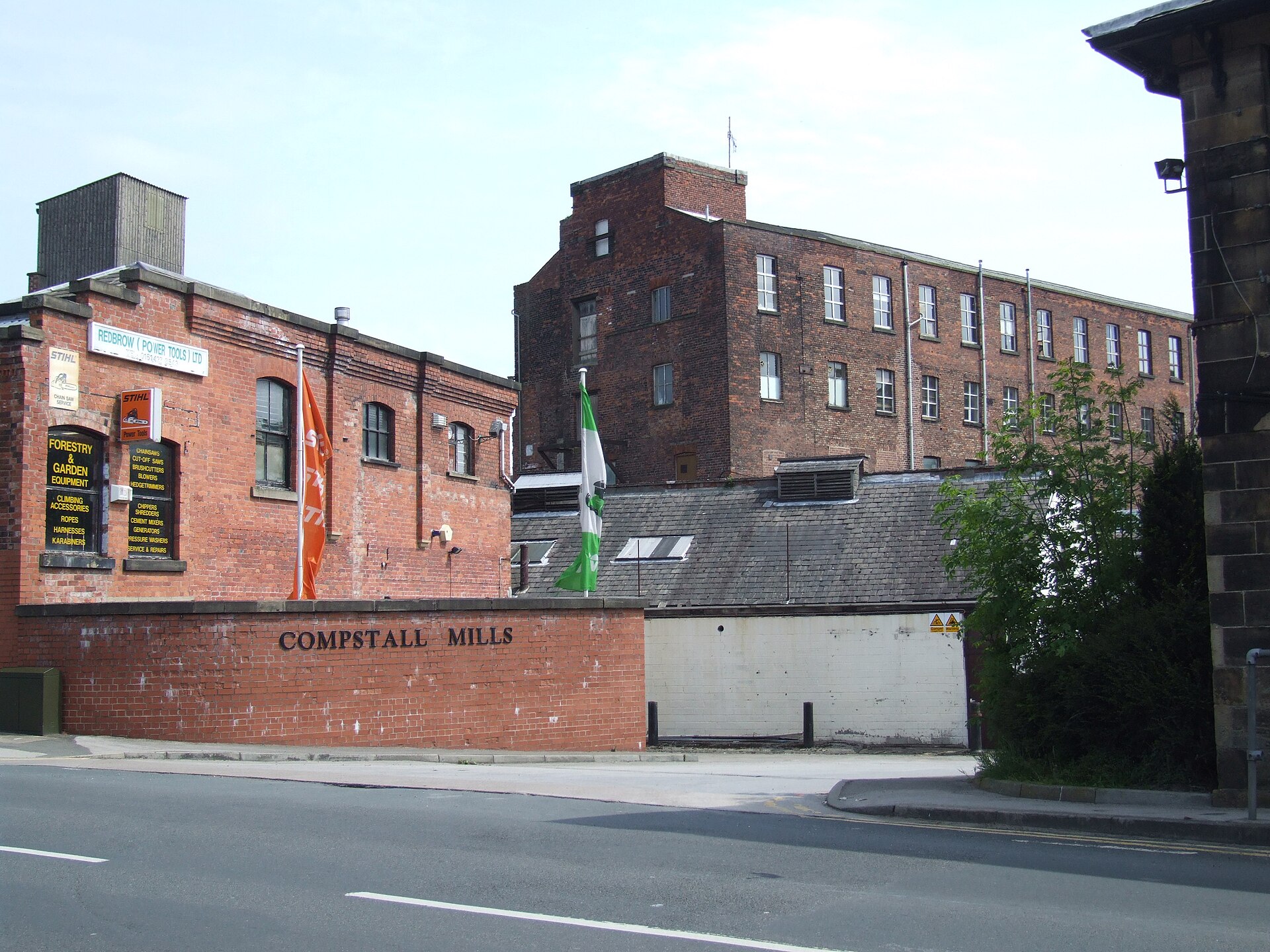
Compstall Mills
The mill estate grew from George Andrew’s water-powered cotton works into a dense industrial complex of spinning mills, weaving sheds, offices and workshops along the Etherow. Reservoirs and mill races fed wheels including Old Josh, the North Wheel and the famous Big Lily.
Today the surviving mill buildings remain a defining part of the village skyline and a reminder of Compstall’s industrial purpose.
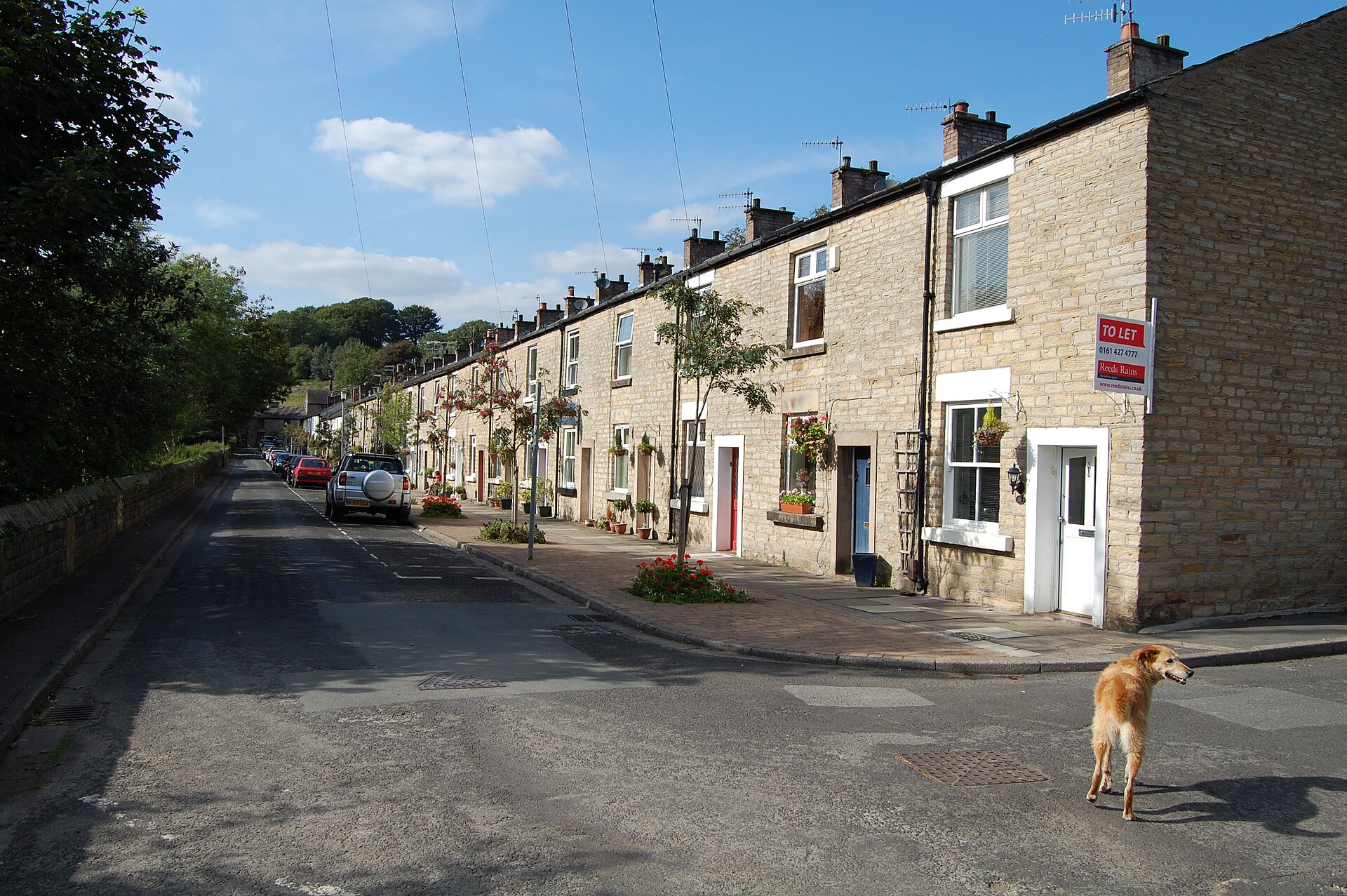
Mill cottages & Montagu Street
George Andrew built terraces such as those on Montagu Street to house his workforce. Most of the original mill cottages and related structures remain largely unchanged — which is why Compstall still reads so clearly as a planned nineteenth-century company village.
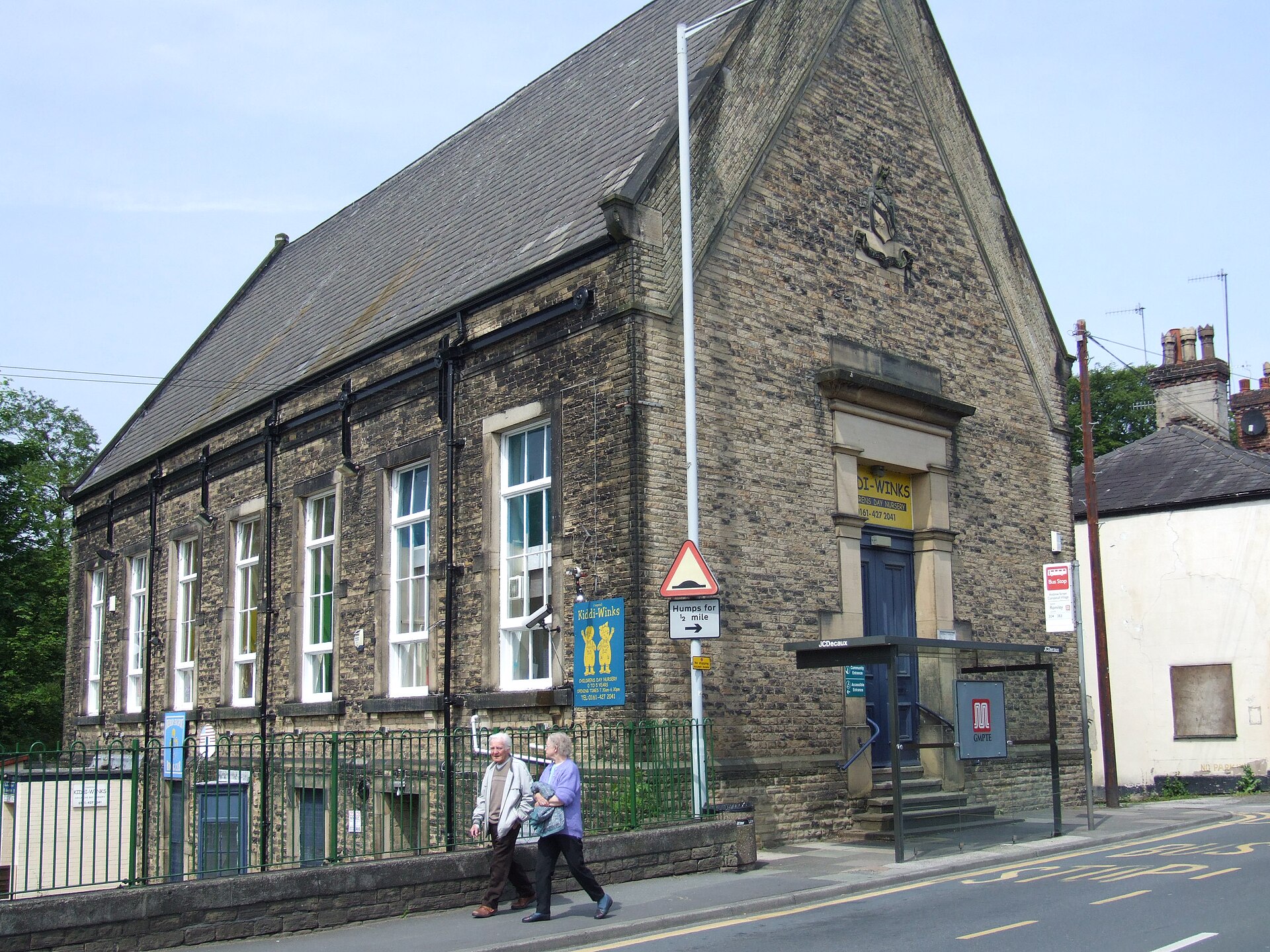
The Athenaeum
Built by the Andrew family in 1865, the Athenaeum was a multipurpose community hall for the mill village — culture, meetings and civic life under one roof. It remains one of Compstall’s most recognisable public buildings.
St Paul’s Church
St Paul’s was built in the Early English style as Compstall’s Church of England parish church. Together with the earlier Wesleyan Methodist chapel and the Athenaeum, it completed the civic and spiritual core of the company town.
The Touch Stone
In the market place sits the Touch Stone, a glacial erratic left by the last ice age. Long before the mills, it marked where farmers sealed sheep deals — spit on the hand, strike the stone, and the bargain was done.
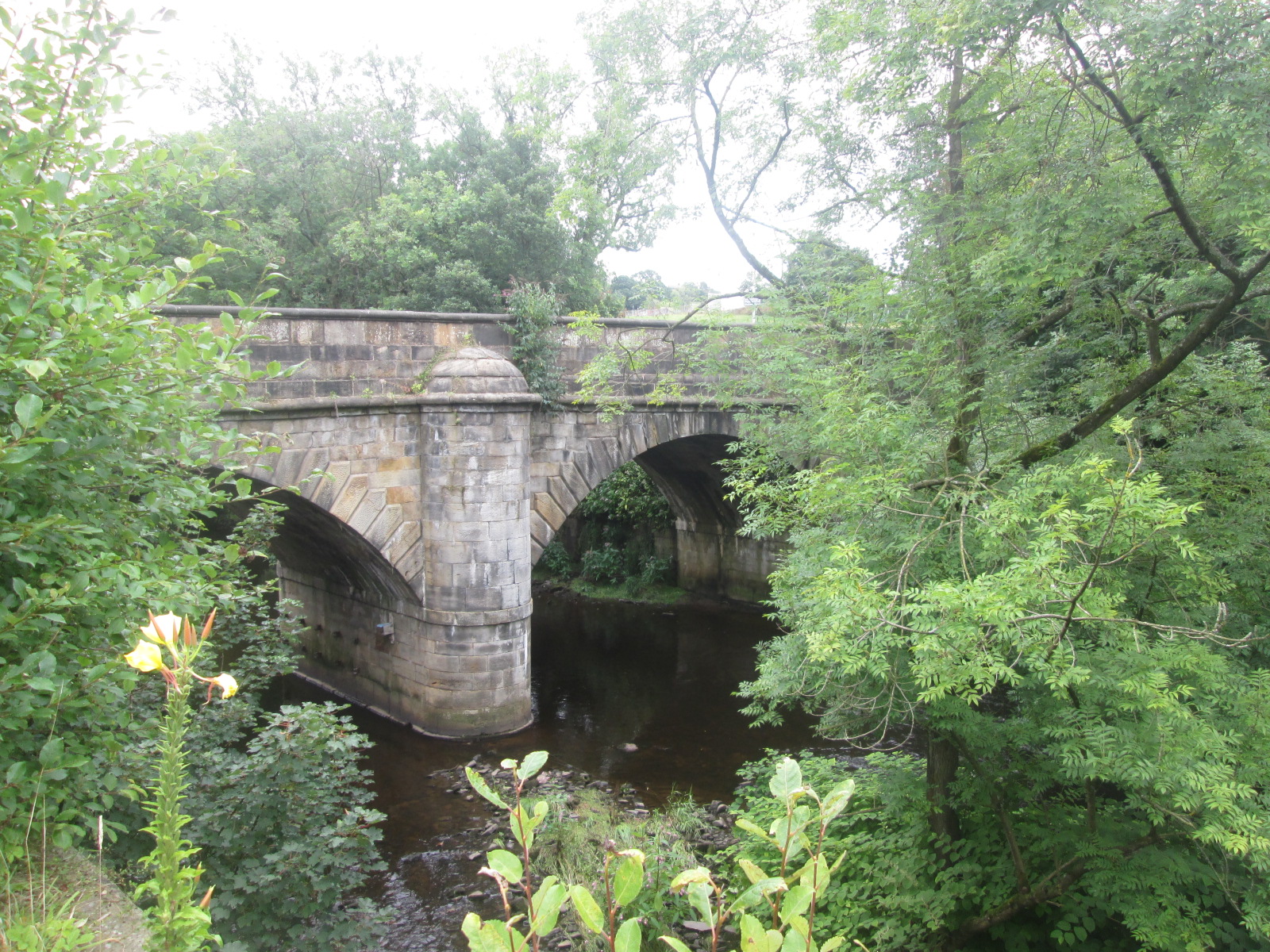
Compstall Bridge & Hall
Grade II listed Compstall Bridge carries the B6104 over the River Etherow. Nearby, Compstall Hall (1825) was George Andrew’s Grecian villa-style residence, later associated with inventor James Walton in the 1850s.
Whitebottom Farm
Tucked beyond the parkland, Whitebottom Farm’s listed farmhouse dates from 1690. The estate sits north of Etherow Country Park and has long been part of Compstall’s rural hinterland — older than the mill village itself.
Etherow Country Park & the lake
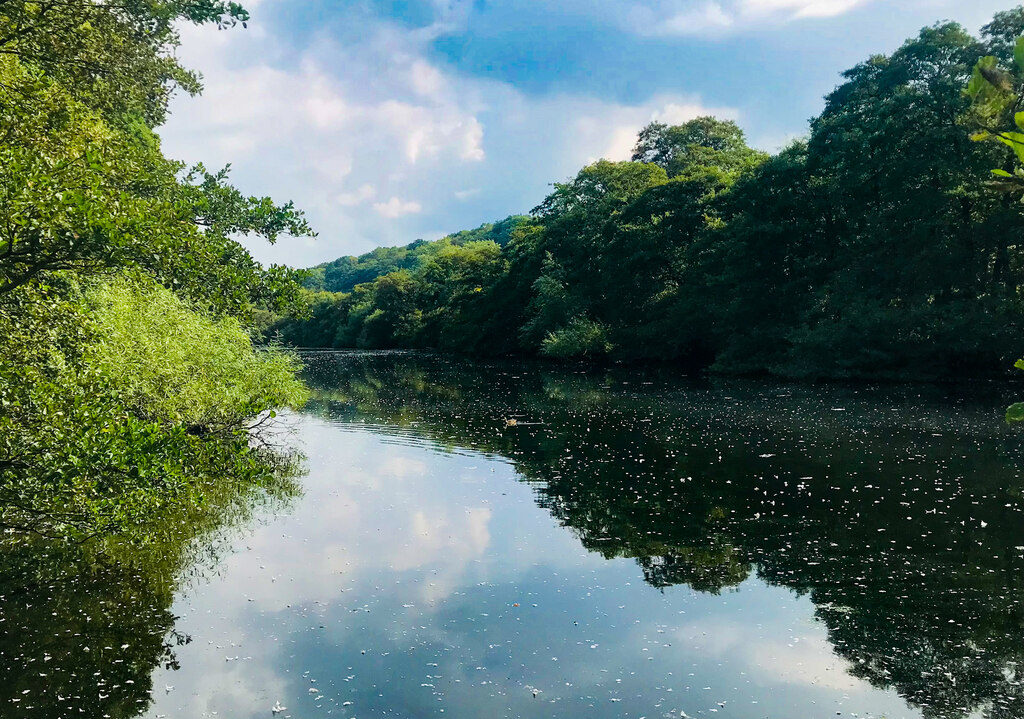
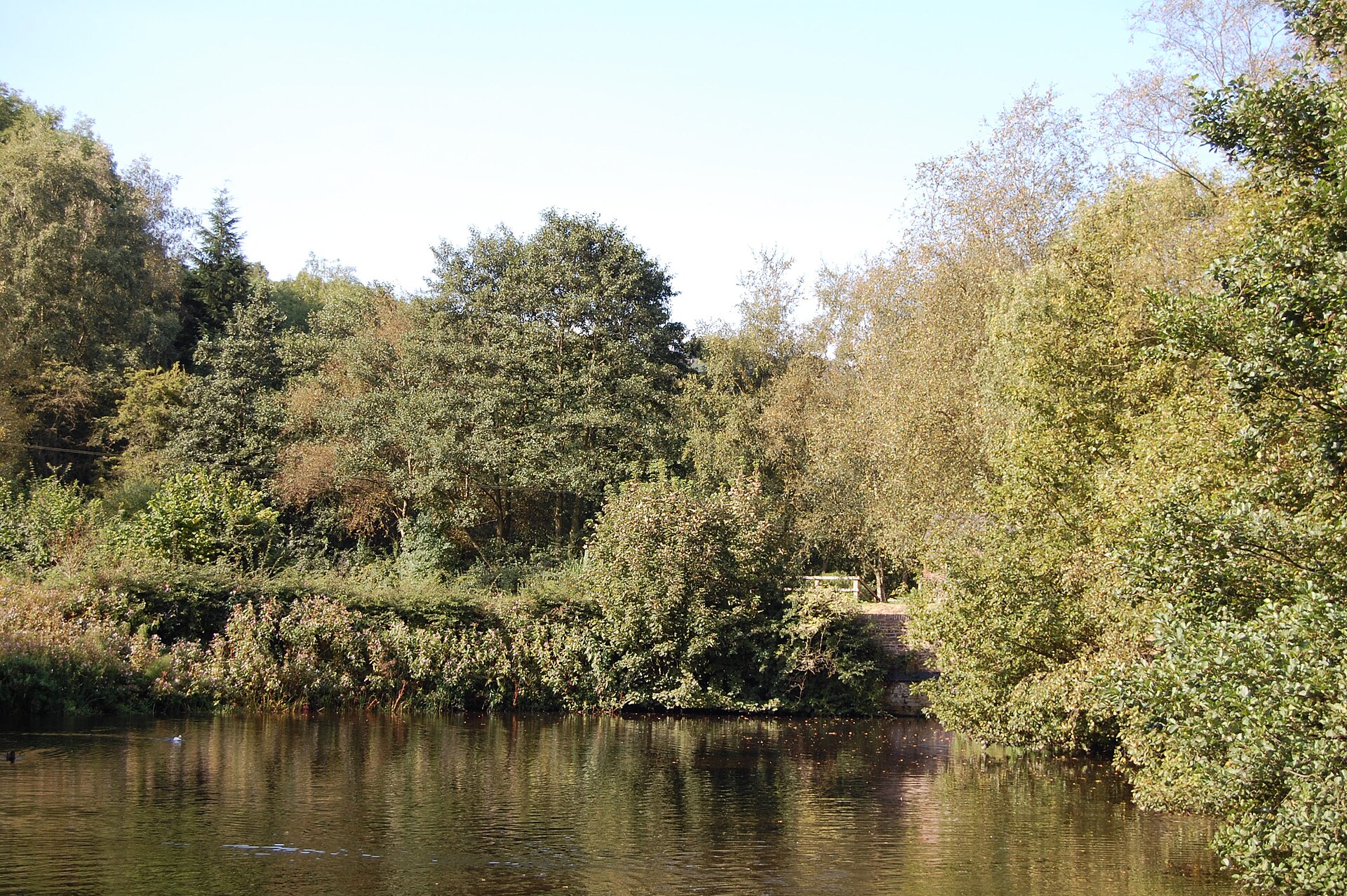
Opened in 1968, Etherow Country Park covers about 240 acres of greenspace, wildlife and industrial relics. The former millponds — now lakes for sailing, boating and angling — are among Stockport’s most visited outdoor spaces and one of Britain’s earliest country parks.
In pictures
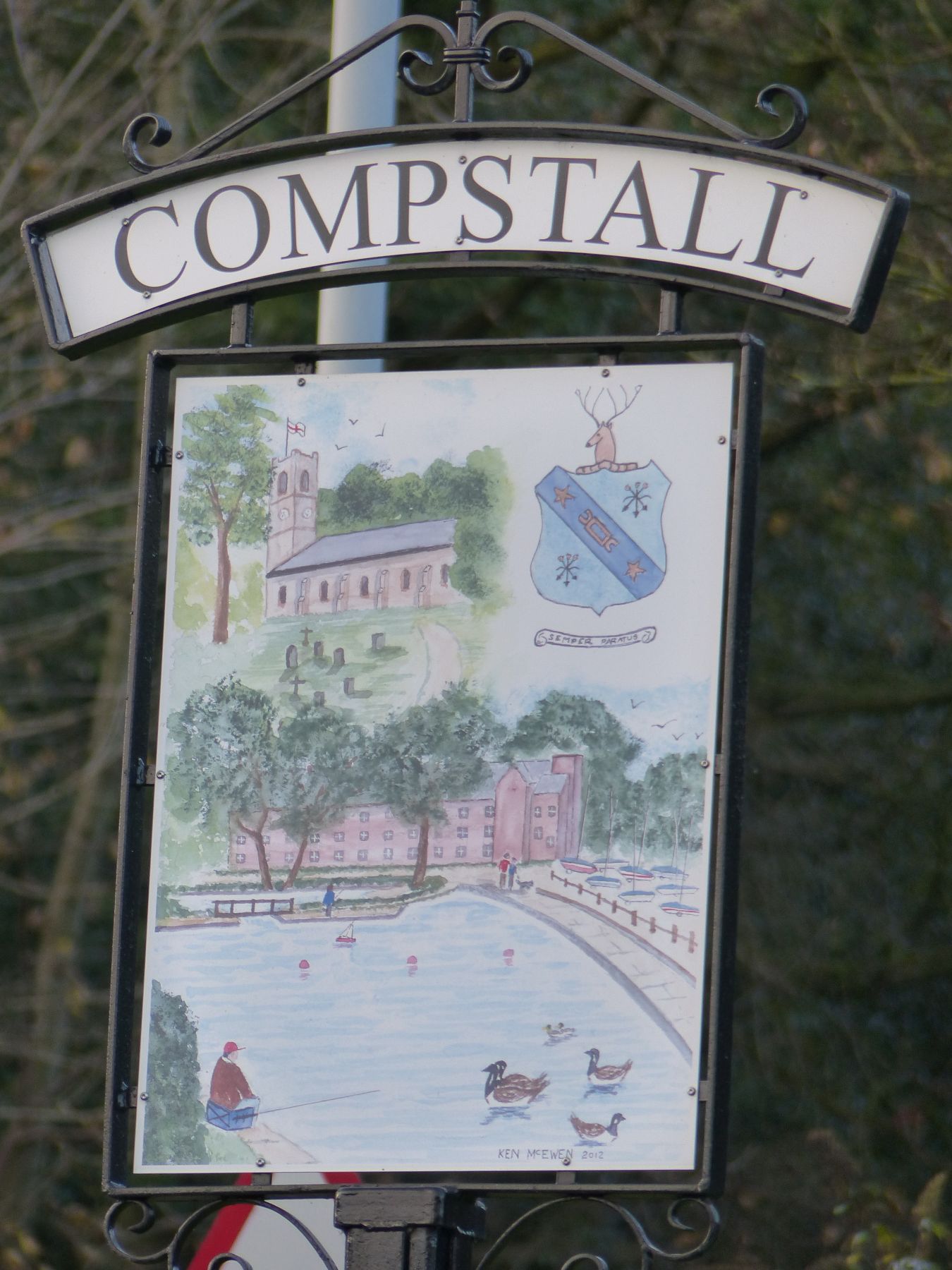
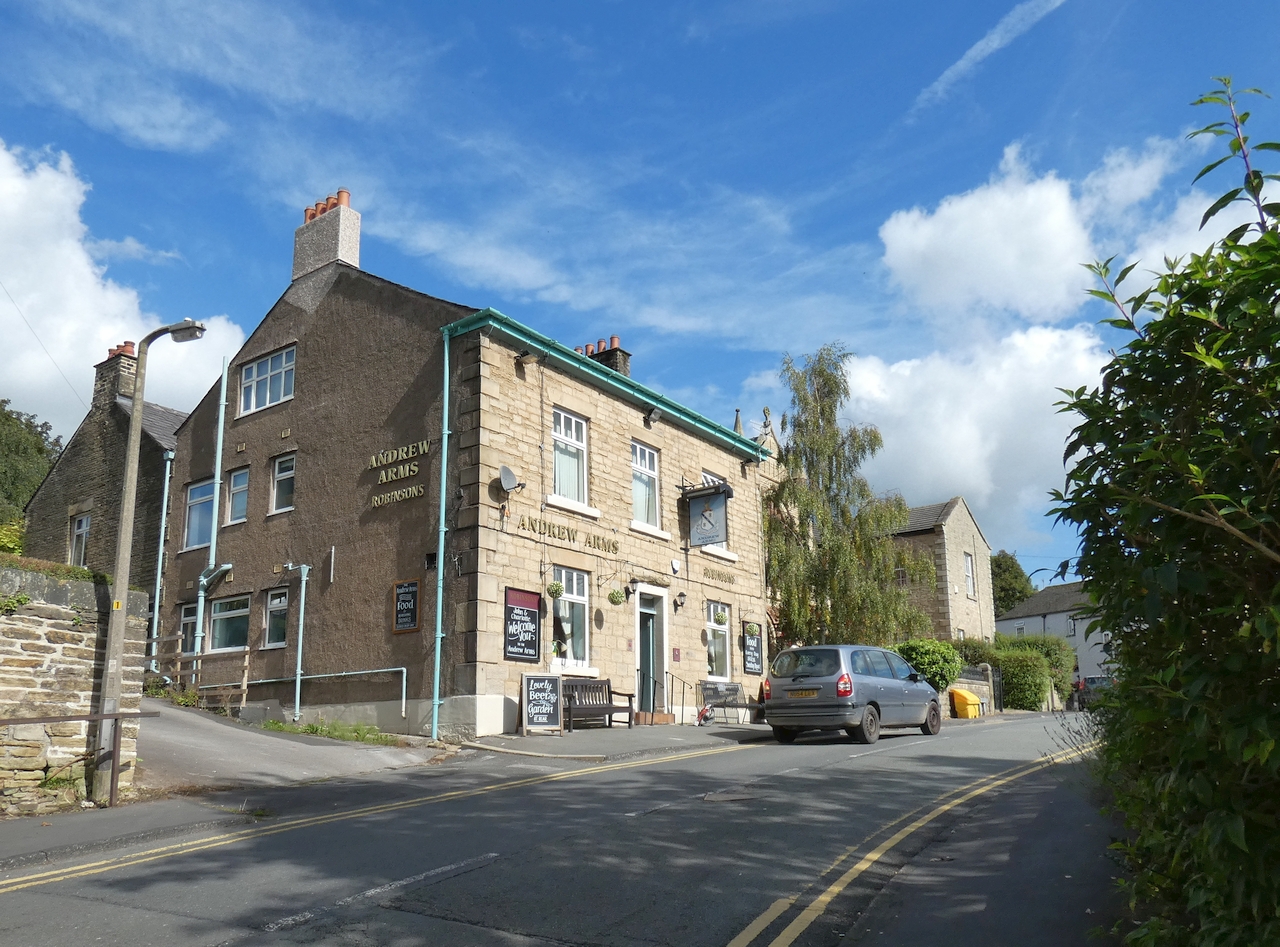
Market PlaceNature reserve lakeEtherow Country ParkWeir CottagesVillage signAndrew Arms